
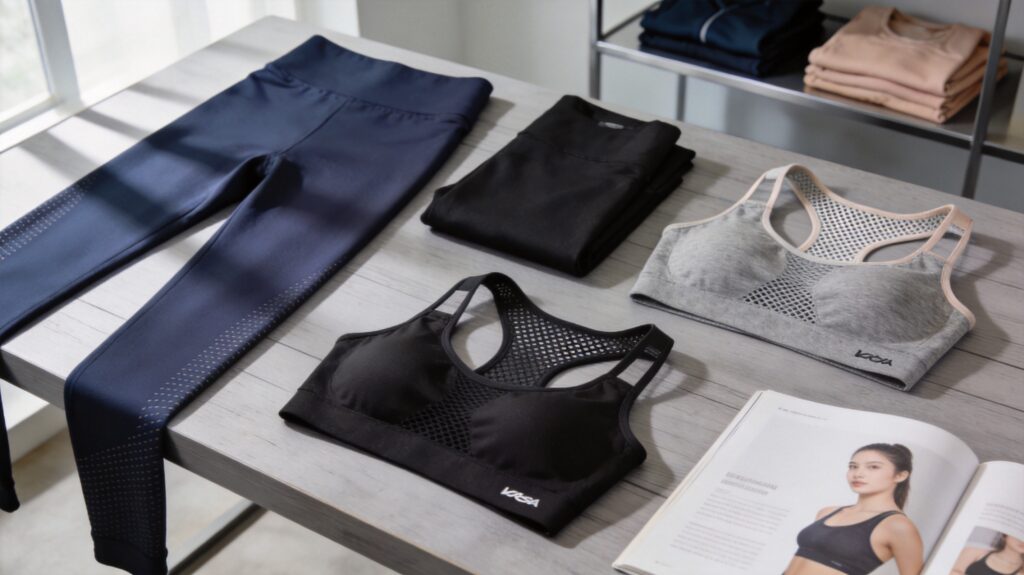
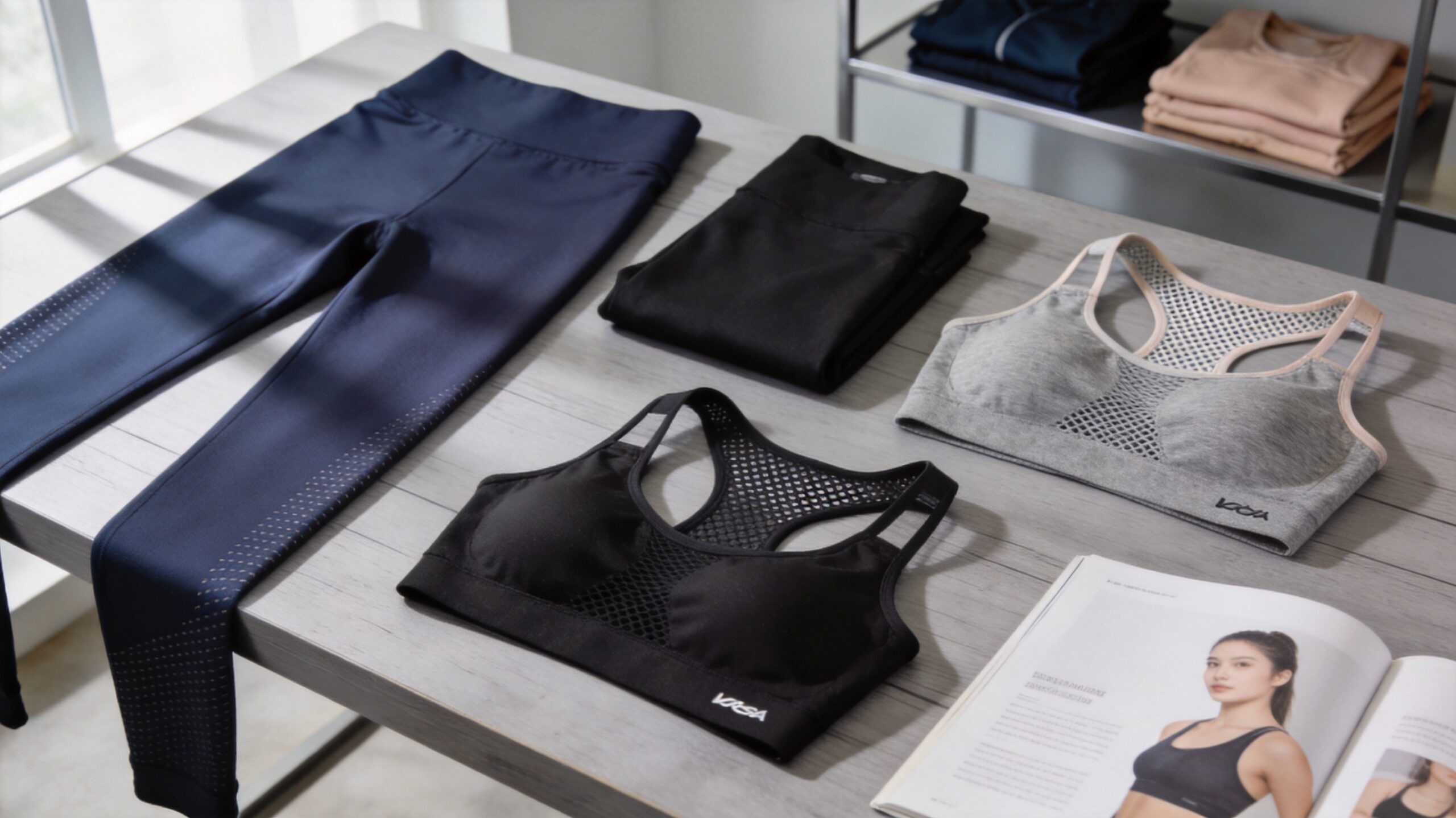
The global activewear market continues its explosive growth, with seamless yoga apparel leading the charge in both consumer demand and retail profitability. For wholesale buyers, distributors, and e-commerce retailers, understanding the landscape of yoga clothing brands for women—and the manufacturing options available—is no longer optional; it is essential for staying competitive. This guide provides a comprehensive, commercially-focused analysis of the market, helping you make informed purchasing decisions that maximize margins and minimize risk.
Why Wholesale Buyers Should Focus on Seamless Yoga Apparel
Market Demand for Seamless Leggings and Sports Bras
Consumer preference has shifted decisively toward seamless construction. Unlike traditional cut-and-sew garments, seamless yoga clothes for women offer a second-skin feel that eliminates chafing, visible panty lines, and uncomfortable side seams. According to recent industry reports, the seamless activewear segment is projected to grow at a CAGR of over 8% through 2030. This is driven by the rise of athleisure as everyday wear and the increasing importance of comfort in post-pandemic wardrobes. For wholesale buyers, stocking seamless leggings and sports bras means aligning with a trend that shows no signs of slowing down. If you’re new to this category, reviewing this beginner’s guide to choosing yoga activewear clothing can help you understand the fundamentals before committing to inventory.
Key Benefits of Seamless Construction for Retailers
Seamless technology, produced on circular knitting machines, allows for targeted zoning. This means a single garment can feature varying levels of compression, breathability, and support without additional panels. For your retail customers, this translates to superior performance during yoga, Pilates, and high-intensity workouts. For you as a buyer, it means fewer inventory SKUs are needed to satisfy diverse customer needs, simplifying your stock management and reducing dead stock risk.
Profit Margins and Reorder Potential
Seamless yoga apparel typically commands a premium retail price point due to its perceived value and technical complexity. However, the wholesale cost from a direct seamless yoga leggings manufacturer is often highly competitive. This creates a healthy margin structure. Furthermore, seamless basics—particularly black leggings and neutral-toned sports bras—have exceptionally high reorder rates. These are not seasonal fads; they are wardrobe staples that drive repeat purchases and customer loyalty.
Top Yoga Clothing Brands for Women: A Comparative Overview
Established Premium Brands vs. Emerging Direct-to-Consumer Labels
When sourcing from established yoga clothing brands, you are buying into brand recognition and proven quality. Names like Lululemon, Alo Yoga, and Beyond Yoga dominate the premium segment. They offer robust wholesale programs but require significant capital investment and often have strict brand guidelines. On the other hand, emerging DTC labels—such as Girlfriend Collective or TALA—offer more flexible wholesale terms and appeal to a younger, sustainability-focused demographic. Your choice depends on your target market: if you are a boutique catering to affluent clients, premium brands are safer; if you are a digital-first retailer, emerging labels may offer better exclusivity. For a deeper look at market dynamics, consult this industry reference for technical and commercial insights.
Brand Positioning and Target Customer Profiles
- Premium (Lululemon, Alo): Target customers are aged 25-45, high disposable income, prioritize status and technical performance.
- Mid-Tier (Nike, Adidas): Broad appeal, strong brand loyalty, suitable for general sports retailers.
- Emerging (TALA, Girlfriend Collective): Eco-conscious millennials and Gen Z, value transparency and inclusivity over logos.
Understanding these profiles helps you curate a product mix that resonates with your specific audience rather than attempting to be everything to everyone.
Price Point and Wholesale Minimum Order Comparisons
Premium brands typically require wholesale orders of $5,000–$10,000 minimums, with unit costs ranging from $25–$45 for leggings. Mid-tier brands are similar but offer more frequent promotional windows. Emerging labels often have lower MOQs ($1,000–$3,000) but may have less consistent supply chains. For maximum flexibility, many buyers now turn to private-label manufacturing, which allows for lower minimums and higher control over pricing.
Critical Specifications for Seamless Yoga Leggings and Sports Bras
Fabric Composition: Nylon, Spandex, and Polyester Blends
The ideal seamless yoga legging uses a high-tenacity nylon (78-82%) blended with spandex (18-22%). Nylon provides durability, softness, and moisture-wicking properties, while spandex ensures four-way stretch and recovery. Polyester is often added for its quick-drying capabilities but can feel less soft against the skin. When evaluating a seamless yoga leggings manufacturer, request fabric swatches and test them for pilling resistance and colorfastness. A higher denier nylon (e.g., 40D-50D) indicates a more durable, opaque fabric.
Compression Levels and Support Ratings for Sports Bras
Sports bras are categorized by impact level: low, medium, and high. Seamless construction allows for varying compression zones within a single bra. For wholesale, you should stock a range:
- Low Impact: For yoga and Pilates; lighter compression, more comfort.
- Medium Impact: For cycling and barre; balanced support.
- High Impact: For running and HIIT; maximum encapsulation and compression.
Ensure your supplier provides clear support ratings and test data. A bra that fails to support during high-impact activity will result in returns and damage your reputation.
Sizing Consistency and Fit Across Wholesale Batches
One of the biggest challenges in wholesale is size consistency. A size medium from batch A must fit identically to a size medium from batch B. Insist on a detailed size specification chart from your manufacturer and request a “golden sample” for every production run. Additionally, consider offering inclusive sizing (XS-3XL) to capture a broader market. Consistency in fit is the primary driver of positive reviews and reduced return rates.
Sourcing Strategies: Working with a Seamless Yoga Leggings Manufacturer
Evaluating Manufacturing Certifications and Compliance
Before committing to a factory, verify their certifications. Key credentials include:
- OEKO-TEX Standard 100: Ensures no harmful substances in textiles.
- ISO 9001: Quality management systems.
- BSCI or SA8000: Social compliance and ethical labor practices.
- Global Recycled Standard (GRS): If you plan to market sustainable products.
Request documentation and, if possible, conduct a virtual or in-person factory audit. This due diligence protects your brand from reputational and legal risks.
MOQ, Lead Times, and Customization Options
Typical MOQs for seamless yoga apparel range from 300–500 pieces per color per style. Lead times vary from 45–90 days depending on fabric availability and production complexity. Discuss customization options early: custom colors (Pantone matching), branded jacquard waistbands, and custom silicone logos on leggings. These differentiators allow you to build a unique brand identity rather than selling generic products. Explore our product catalog to see examples of customizable seamless styles.
Quality Control and Sample Approval Processes
A robust QC process is non-negotiable. Establish a three-stage inspection:
- Pre-Production: Check fabric and trims against approved samples.
- In-Line Inspection: Monitor production for stitching, color consistency, and sizing.
- Final Random Inspection: AQL (Acceptable Quality Limit) standards—typically 2.5 for major defects.
Always approve a pre-production sample (PP sample) before mass production begins. This is your last chance to catch issues without incurring costly delays.
Use Cases and Product Mix Recommendations
High-Impact vs. Low-Impact Yoga Styles
Your product mix should reflect the varied activities of your customers. For high-impact styles, prioritize high-waisted leggings with wide waistbands and sports bras with racerback designs and thicker straps. For low-impact, focus on soft-touch fabrics, relaxed fits, and lighter support. A balanced mix—say 60% high-impact, 40% low-impact—covers the majority of consumer needs.
Athleisure vs. Studio-Only Collections
Athleisure is a massive revenue driver. Seamless leggings that transition from the studio to the street are bestsellers. Consider offering “everyday” colors like black, grey, and navy, which are versatile. Studio-only collections can be bolder—think vibrant prints and unique textures—but they carry higher markdown risk. Use athleisure as your stable baseline and studio pieces as seasonal accents.
Seasonal Assortment Planning for Retail Buyers
Plan your buys 6–9 months in advance. For Spring/Summer, focus on lighter weights, brighter colors, and moisture-wicking fabrics. For Fall/Winter, prioritize thicker fabrics, thermal blends, and darker earth tones. Align your assortment with the yoga clothing brands and manufacturers’ production calendars to ensure timely delivery.
Comparing Wholesale Costs: Branded vs. Private Label
Cost Breakdown of Established Brands vs. Factory-Direct
- Established Brands: Unit cost $25–$45. Includes brand marketing, design, and quality assurance. Your margin is typically 40–50% at retail.
- Factory-Direct Private Label: Unit cost $8–$15. You handle branding and marketing. Your margin can exceed 70% if executed well.
The trade-off is clear: branded products sell themselves but eat into margins; private label requires more effort but offers significantly higher profitability.
Branding Opportunities: Custom Colors, Logos, and Packaging
Private label allows you to create a unique product line that cannot be price-matched by competitors. You can choose exclusive colors, add your logo to the waistband, and design premium packaging that enhances the unboxing experience. This builds brand equity and customer loyalty that generic resale cannot achieve.
Risk Management and Inventory Turnover Considerations
Private label carries inventory risk—you own the stock. To mitigate this, start with small test orders, use a reliable demand forecasting tool, and establish a clear markdown strategy. Branded products, while lower margin, offer easier returns and faster turnover. Many successful retailers use a hybrid model: 70% private label for margin, 30% branded for traffic and credibility.
Implementation Checklist for Launching a Yoga Apparel Line
Pre-Order Testing and Market Validation
Before placing a large order, validate demand. Run a pre-order campaign on your website or social media. This generates cash flow and provides real data on which styles and sizes are most popular. Alternatively, use a small pilot order (50–100 units) to test the market before scaling.
Logistics, Warehousing, and Fulfillment Planning
Choose a fulfillment strategy: in-house warehousing or third-party logistics (3PL). For seamless yoga apparel, which is lightweight and compressible, shipping costs are manageable. Ensure your packaging is sustainable and compact to reduce shipping fees. Plan for peak seasons—January (New Year resolutions) and September (back-to-school/fall fitness)—by securing warehouse capacity in advance.
Marketing and SEO Support for Your Online Store
Your product is only as good as your marketing. Invest in professional photography that shows the garments on diverse body types. Optimize your product pages with relevant keywords like “seamless yoga leggings manufacturer” and “yoga clothes for women” to capture organic search traffic. Use social proof—reviews and user-generated content—to build trust and drive conversions.
Frequently Asked Questions for Wholesale Buyers
What Is the Typical MOQ for Seamless Yoga Leggings?
For most seamless yoga leggings manufacturers, the MOQ is between 300 and 500 pieces per color per style. Some factories offer lower MOQs (100–200) for premium pricing, while larger factories may require 1,000+ pieces for custom jacquard designs. Always clarify MOQ terms upfront, including whether mixed sizes count toward the minimum.
How Do I Verify a Manufacturer’s Quality and Reliability?
Start by requesting samples and comparing them against your specifications. Check for certifications (OEKO-TEX, ISO, BSCI). Ask for client references and contact them directly. Consider using a third-party inspection agency for pre-shipment checks. Finally, review the manufacturer’s production capacity and lead times to ensure they can scale with your business. You can also review our FAQs page for common supplier questions.
What Are the Best-Selling Colors and Styles for Next Season?
Based on current trend data, neutrals—black, heather grey, and mocha—remain perennial bestsellers. For the upcoming season, expect to see “buttery” soft fabrics, high-rise waistbands (10-12 inches), and “vintage” or “retro” colorways like burnt orange and forest green. Seamless shorts are also gaining traction as a versatile alternative to leggings. Always verify trends with your sales data before committing to large quantities.
Entering the seamless yoga apparel market is a strategic move for any wholesale buyer. By understanding the landscape of yoga clothing brands for women, mastering the technical specifications, and building a strong relationship with a reliable seamless yoga leggings manufacturer, you position your business for sustained growth. Prioritize quality, consistency, and market alignment, and you will build a product line that resonates with consumers and drives healthy margins for years to come.