
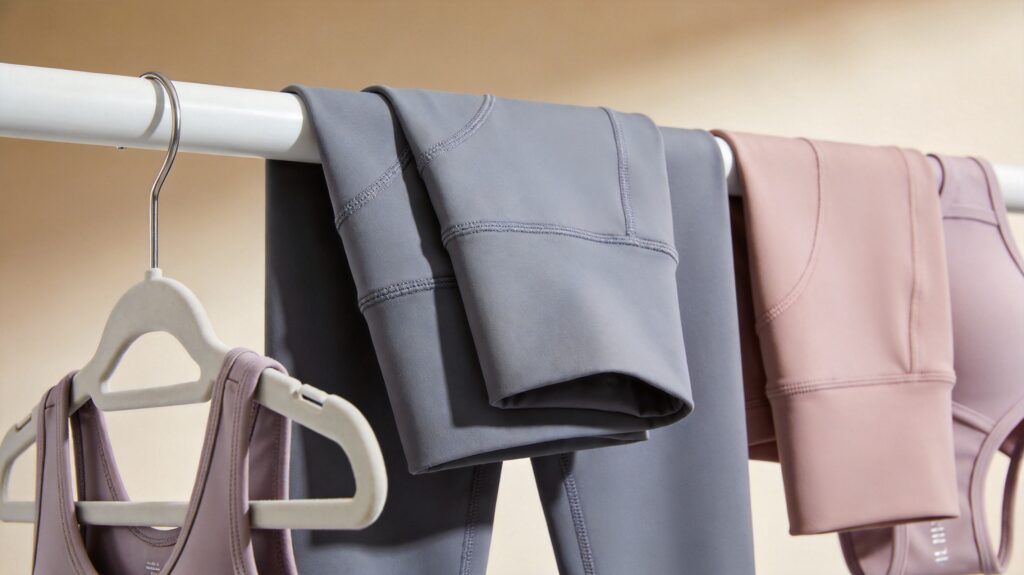
Reliable Yoga Activewear Manufacturer for Bulk Wholesale Orders
Why the Right Manufacturer Can Make or Break Your Yoga Brand
In the crowded world of yoga and athleisure, your brand is only as strong as the products you put your name on. When you source yoga activewear clothing from a manufacturer, you are essentially staking your reputation on their production capabilities. A single batch of subpar leggings—fabric that pills after three washes, seams that split during a downward dog, or colors that fade after one sun exposure—can trigger a wave of negative reviews that erodes customer trust for years.
Premium yoga apparel demands precision. The stitching must withstand dynamic stretching, the waistbands must offer compression without digging into the skin, and the fabrics must maintain their shape through dozens of cycles in the washing machine. A reliable yoga apparel manufacturer understands these nuances and has the technical expertise to deliver consistent quality at scale. When you partner with the right factory, you gain a competitive edge: your products perform, your customers return, and your brand becomes synonymous with durability and comfort. If you are new to this space, our beginner’s guide to choosing yoga activewear clothing provides a solid foundation before you start contacting suppliers.
Balancing Cost and Reliability
Every wholesale buyer faces the same dilemma: how to balance unit costs against manufacturing reliability. The cheapest quote on the market might save you $2 per unit, but it could cost you thousands in returns, chargebacks, and lost customer loyalty. Conversely, the most expensive manufacturer is not automatically the best fit for your business model.
The key is to evaluate total cost of ownership. A mid-priced yoga wear supplier that offers consistent quality, on-time delivery, and responsive communication often delivers a better return on investment than a low-cost factory that misses deadlines and cuts corners on fabric sourcing. Understand that reliability has a price—but it is an investment in your brand’s long-term viability, not an expense.
Key Specifications to Evaluate in a Yoga Apparel Manufacturer
Fabric Quality and Performance
Yoga activewear is not ordinary clothing; it is performance apparel. The fabric must wick moisture away from the skin during hot yoga sessions, offer four-way stretch for deep lunges and twists, and remain breathable to prevent overheating. When evaluating a potential yoga apparel manufacturer, ask pointed questions about their fabric sourcing. Do they work with certified mills? Can they provide fabric composition breakdowns? Do they offer performance finishes like anti-microbial treatments or UPF protection?
Request fabric swatches and conduct your own tests. Stretch the fabric, feel the hand-feel, and check the recovery rate (how quickly it returns to its original shape). A reputable yoga activewear clothing manufacturer should be able to recommend the right blend of nylon, spandex, polyester, or recycled fibers for your specific product line—whether you need high-compression leggings or loose-fitting meditation tops. For a closer look at how premium seamless yoga pieces are constructed, explore our yoga activewear product catalog to see the quality standards you should expect.
Manufacturing Capacity and Minimum Order Quantities (MOQs)
Before you commit to a partnership, you need to understand the manufacturer’s production capacity. Can they handle your projected order volume without compromising quality? What is their peak season capacity? A factory that is overbooked may rush your order, leading to defects.
Equally important is the Minimum Order Quantity (MOQ). Some yoga apparel manufacturers require a minimum of 500 units per color per style, while others may accept 100 units for a premium price. Align the MOQ with your cash flow and inventory strategy. If you are a growing brand, look for a yoga wear supplier that offers flexible MOQs or the option to mix sizes and colors within a single production run.
Quality Control and Certification Standards
Certifications are not just badges—they are proof of a manufacturer’s commitment to safety, sustainability, and quality. Look for factories that hold OEKO-TEX Standard 100 certification, which ensures that textiles are free from harmful substances. ISO 9001 certification indicates robust quality management systems. Additionally, if you plan to sell in the EU or US, check for compliance with REACH, CPSIA, or Proposition 65 standards.
Ask the manufacturer for their certification documents and verify them independently. A factory that invests in certifications is more likely to follow strict quality control protocols, including in-line inspections and final random inspections before shipment. For a deeper understanding of the technical aspects of performance textiles, consult this industry reference on activewear materials.
Comparing Manufacturer Types for Bulk Orders
Direct Factory vs. Sourcing Agent vs. Trading Company
When sourcing yoga activewear clothing, you will encounter three main types of intermediaries. Direct factories own their production lines and offer the best pricing and control over quality. However, they often have higher MOQs and may require significant upfront communication to establish trust.
Sourcing agents act as middlemen, connecting you with multiple factories. They can save you time and help navigate language barriers, but they add a markup and may not have deep visibility into factory operations. Trading companies are similar but typically handle a broader range of products. For bulk wholesale orders, a direct factory is usually the best choice if you have the volume and the patience to build a relationship. If you are testing the market, an agent can help you compare options quickly.
Domestic vs. Overseas Yoga Wear Suppliers
Domestic manufacturing (e.g., in the US, UK, or EU) offers faster turnaround times, easier communication, and simpler legal recourse if something goes wrong. However, labor and material costs are significantly higher. Overseas suppliers—particularly in China, Vietnam, and Bangladesh—offer lower unit costs and vast production capacity, but you must manage longer lead times, shipping complexities, and potential language barriers.
Many successful brands use a hybrid approach: they source core basics overseas and produce premium or limited-edition items domestically. Evaluate your target market, price point, and delivery expectations to decide which model suits your business.
Pros and Cons of Specialized Yoga Activewear Manufacturers
A specialized yoga activewear manufacturer focuses exclusively on athletic and yoga apparel. They understand the unique construction requirements—flatlock seams, gusseted crotches, high-rise waistbands, and anti-roll features. They also have established relationships with performance fabric mills.
The main advantage is expertise; the main disadvantage is often higher pricing and less flexibility for non-yoga product lines. If you plan to expand into general athleisure or casual wear, a specialized factory may not be the right long-term partner. However, for a dedicated yoga line, their knowledge is invaluable.
How to Vet and Shortlist Potential Yoga Activewear Suppliers
Auditing Manufacturing Facilities and Production Processes
Never rely solely on a manufacturer’s website or sales pitch. Conduct a virtual or on-site audit of their facility. Look at the cleanliness of the production floor, the condition of the sewing machines, and the organization of the warehouse. Ask about their quality control checkpoints: Do they inspect fabrics upon arrival? Do they conduct mid-production inspections? What happens to defective units?
If an on-site visit is not possible, hire a third-party inspection agency like SGS or Bureau Veritas to audit the factory on your behalf. This investment can save you from costly mistakes down the line.
Requesting Samples and Testing Product Durability
Samples are your window into the manufacturer’s capabilities. Request samples of your exact design, not just similar products from their catalog. Test the samples rigorously: wash them multiple times, stretch them, wear them during a workout, and check for seam slippage, color bleeding, and fabric pilling. Compare the sample’s measurements against your spec sheet—tolerance should be within ±2% for most dimensions.
A manufacturer that is willing to iterate on samples until they meet your standards is a manufacturer worth keeping. Reviewing the construction details of a well-made product, such as our CX214 seamless yoga top, can give you a benchmark for what to demand from your supplier.
Checking References, Reviews, and Trade History
Ask the manufacturer for references from current or past clients, particularly those in your niche. Contact these references and ask about communication, delivery times, and problem resolution. Additionally, check trade databases like Panjiva or ImportGenius to see the manufacturer’s export history. A consistent record of shipments to reputable brands is a strong indicator of reliability.
Sourcing and Negotiating with Yoga Apparel Manufacturers
Where to Find Reliable Yoga Wear Suppliers
The best yoga wear suppliers are often found through industry trade shows like ISPO Munich, Magic Las Vegas, or the Canton Fair in China. These events allow you to meet factory representatives face-to-face, inspect samples, and gauge their professionalism. Online B2B platforms like Alibaba, Global Sources, and Made-in-China are also useful, but they require careful vetting—look for “Verified Supplier” badges and check their years in business. For additional technical guidance on evaluating suppliers, you can consult this technical reference on manufacturing standards.
Negotiating Pricing, Lead Times, and Payment Terms
Negotiation is a standard part of the manufacturing process. Start by requesting a detailed quotation that breaks down fabric costs, labor, trims, and overhead. Compare quotes from at least three manufacturers to understand the market rate. Negotiate not just on price, but on lead times, payment terms (e.g., 30% deposit, 70% before shipment), and shipping responsibilities.
Be realistic: if a price seems too good to be true, the manufacturer is likely cutting corners on fabric quality or labor conditions. Aim for a fair price that allows the factory to maintain quality standards.
Protecting Your Brand with Contracts and Intellectual Property Rights
Before production begins, sign a comprehensive contract that covers product specifications, quality standards, delivery schedules, and penalties for non-compliance. If you are providing proprietary designs, include a non-disclosure agreement (NDA) and intellectual property clauses. Register your trademarks in the manufacturer’s country to prevent unauthorized production of your designs.
Implementation and Logistics for Bulk Wholesale Orders
Managing Production Timelines and Shipping Logistics
Once your order is placed, establish a clear production timeline with milestones: fabric procurement, cutting, sewing, finishing, and final inspection. Request regular progress updates with photos or video calls. For shipping, decide between air freight (fast, expensive) and sea freight (slow, economical). Factor in customs clearance, duties, and potential port delays when planning your inventory.
Handling Customization, Labeling, and Packaging Requirements
Your brand identity extends to every label, hang tag, and poly bag. Specify your requirements for woven labels, heat-transfer logos, and eco-friendly packaging. Ensure the manufacturer can accommodate your customization needs without compromising the production schedule. If you use sustainable packaging, confirm that the factory has the necessary equipment and materials.
Building a Long-Term Partnership for Scalable Growth
The best manufacturing relationships are built on trust and mutual benefit. Once you find a reliable yoga apparel manufacturer, invest in the relationship. Share your growth forecasts, provide feedback on their performance, and consider exclusive arrangements for your best-selling styles. A long-term partner will prioritize your orders, offer better pricing, and proactively suggest improvements to your product line. Learn more about our approach to long-term collaboration on our company overview page.
Frequently Asked Questions About Yoga Activewear Manufacturing
What is the Typical MOQ for Yoga Activewear?
MOQs vary widely depending on the manufacturer. Standard MOQs for yoga activewear clothing range from 200 to 1,000 units per color per style. Specialized factories with advanced equipment may require higher MOQs to justify setup costs. If you are a startup, look for manufacturers that offer “low MOQ” programs or are willing to negotiate a higher unit price in exchange for smaller quantities.
How Long Does Bulk Production Take?
Production timelines depend on order size, fabric availability, and factory capacity. On average, bulk production takes 4 to 8 weeks after sample approval. Fabric sourcing can add 2 to 4 weeks if the material is not in stock. Always add a buffer of 1 to 2 weeks for unexpected delays, such as fabric shortages or quality reworks.
What Should I Look for in a Sample?
When evaluating a sample, check the following: seam construction (should be flat and reinforced), fabric weight and hand-feel, stitching density (stitches per inch), waistband elasticity and recovery, gusset placement, and overall fit against your size specifications. Wash the sample at least three times to test for shrinkage, colorfastness, and fabric integrity. A sample that survives these tests is a strong indicator of production quality.
Choosing the right yoga activewear clothing manufacturer is one of the most critical decisions you will make as a wholesale buyer. By evaluating fabric quality, production capacity, certifications, and communication reliability, you can build a partnership that supports your brand’s growth for years to come. Take your time, do your due diligence, and never settle for less than a manufacturer that treats your brand with the same care you do.